
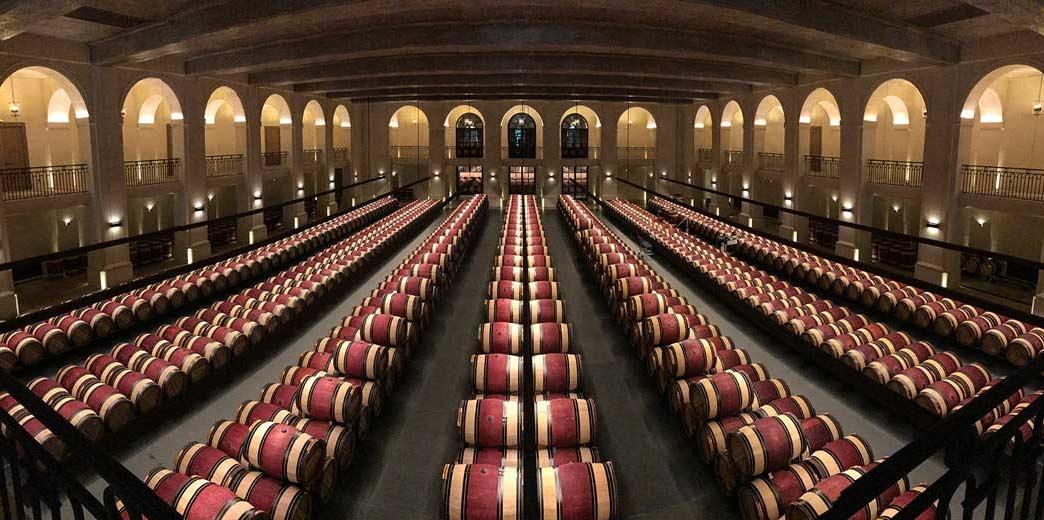
As the wine world turns its attention once again to Bordeaux, the 2025 En Primeur campaign arrives at a fascinating crossroads for collectors, investors, and long-time enthusiasts alike. Following several years of shifting market dynamics, changing global demand, and increasingly selective buying habits, the 2025 vintage is shaping up to be less about speculation and more about thoughtful acquisition. For buyers willing to focus on quality, terroir, and long-term value, this year’s campaign could offer some of the most compelling opportunities Bordeaux has presented in recent memory.
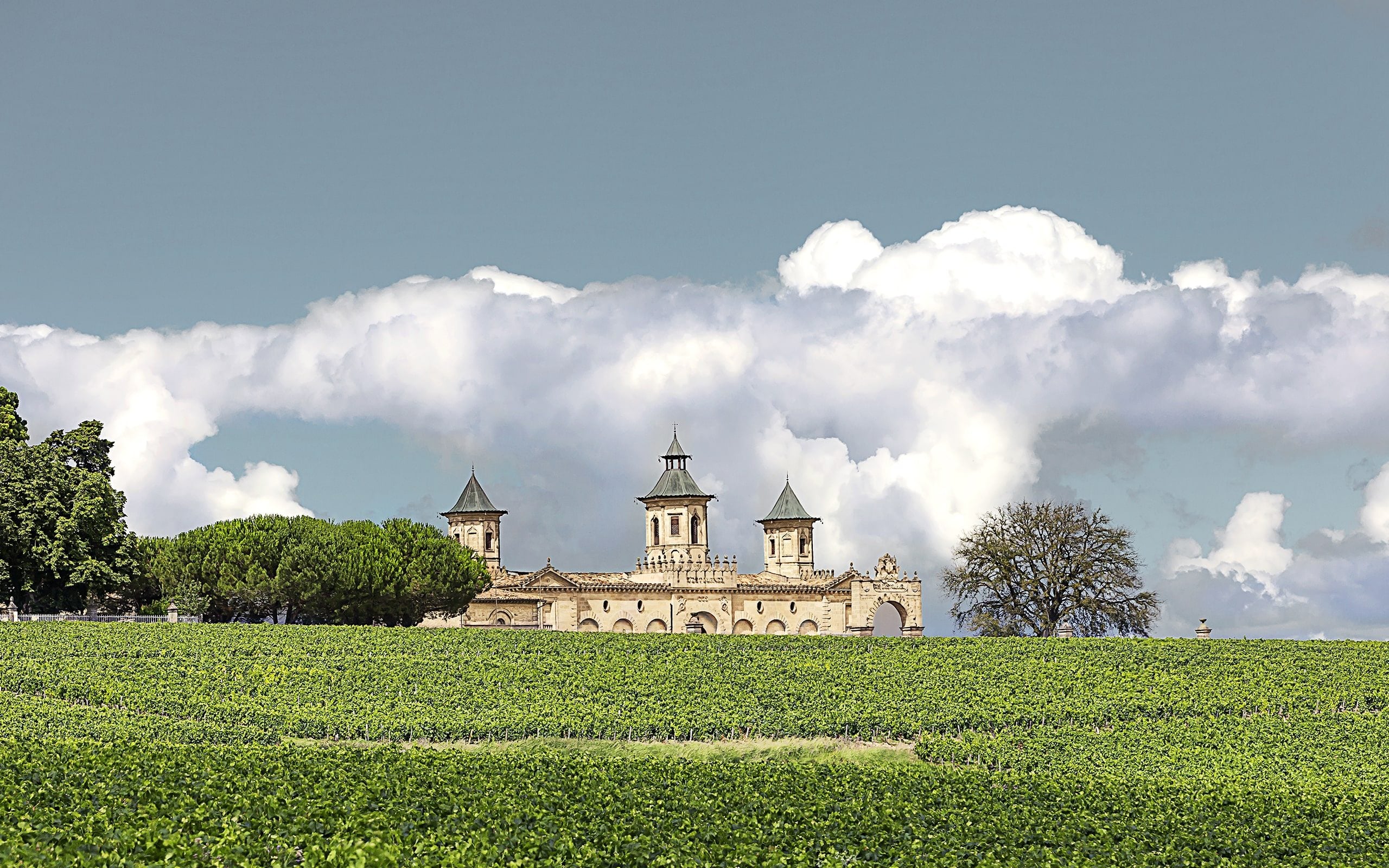
Unlike the frenzied En Primeur years of the early 2000s, today’s Bordeaux market rewards precision. Buyers are no longer purchasing simply because a wine is “first growth” or because scores alone dictate demand. Instead, collectors are looking deeper, evaluating release pricing against back vintages, studying critical consensus across multiple publications, and identifying estates that continue to outperform their historical positioning. This evolving landscape has created a healthier, more transparent market, where value-driven château releases can quickly become the standout successes of the campaign.
The 2025 growing season itself has generated cautious optimism across both the Left and Right Banks. Early reports suggest wines with freshness, structure, and balance rather than excessive ripeness or extraction. Many producers appear focused on elegance and terroir expression, continuing the stylistic evolution Bordeaux has embraced over the last decade. Estates that excel in precision viticulture and careful cellar management are expected to shine, particularly in appellations such as Saint-Julien, Pauillac, Margaux, Pomerol, and Saint-Émilion. Collectors should pay close attention not only to the iconic names, but also to rising estates delivering exceptional quality at far more accessible prices.
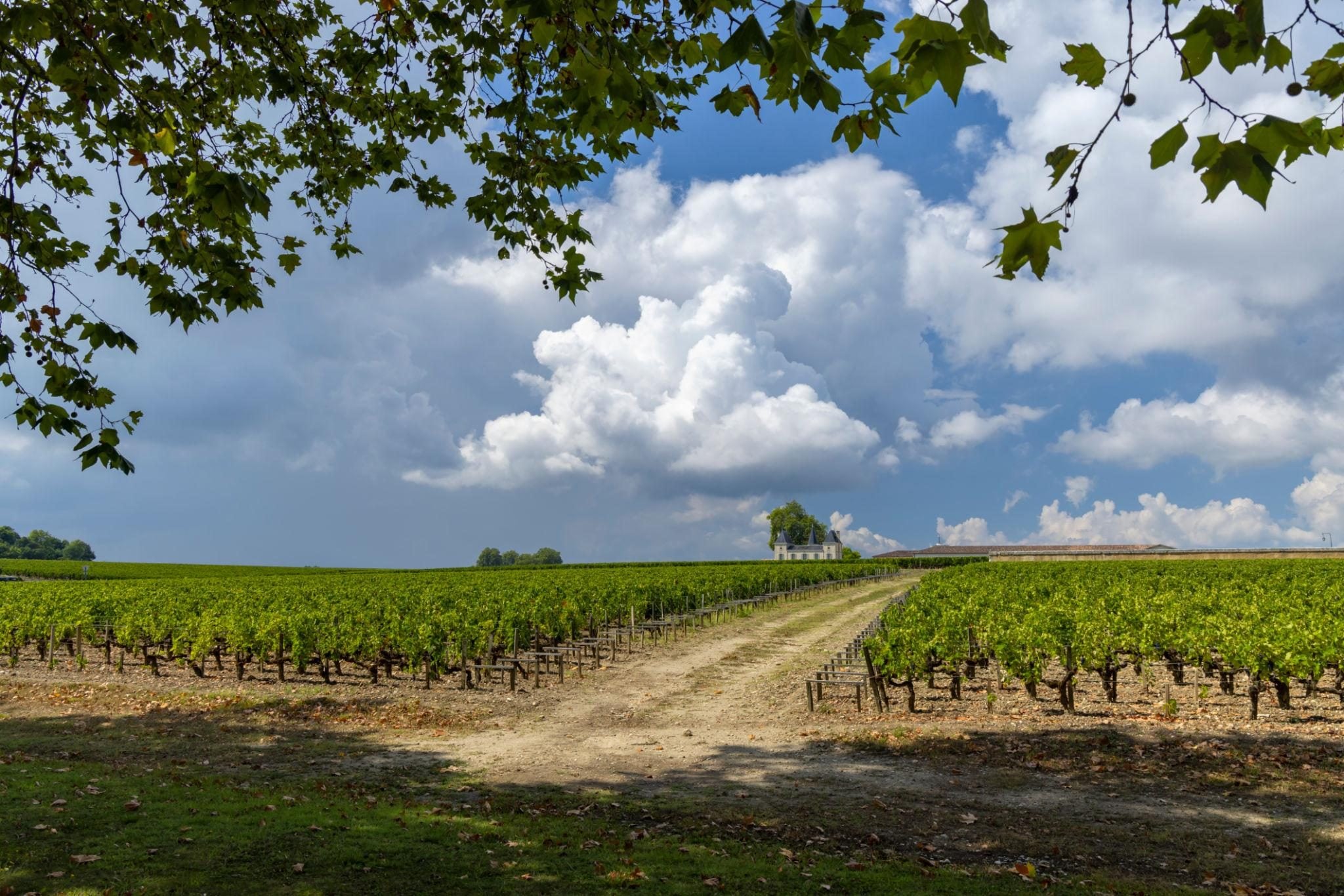
One of the most important conversations surrounding En Primeur 2025 will undoubtedly be pricing. After a softer global fine wine market over the past two years, many négociants and consumers are hoping for more disciplined release strategies from the châteaux. The strongest campaigns historically occur when release prices offer genuine value compared to available physical vintages already on the market. Estates that recognize this reality are likely to see stronger engagement from both traditional collectors and newer buyers entering the Bordeaux category for the first time.
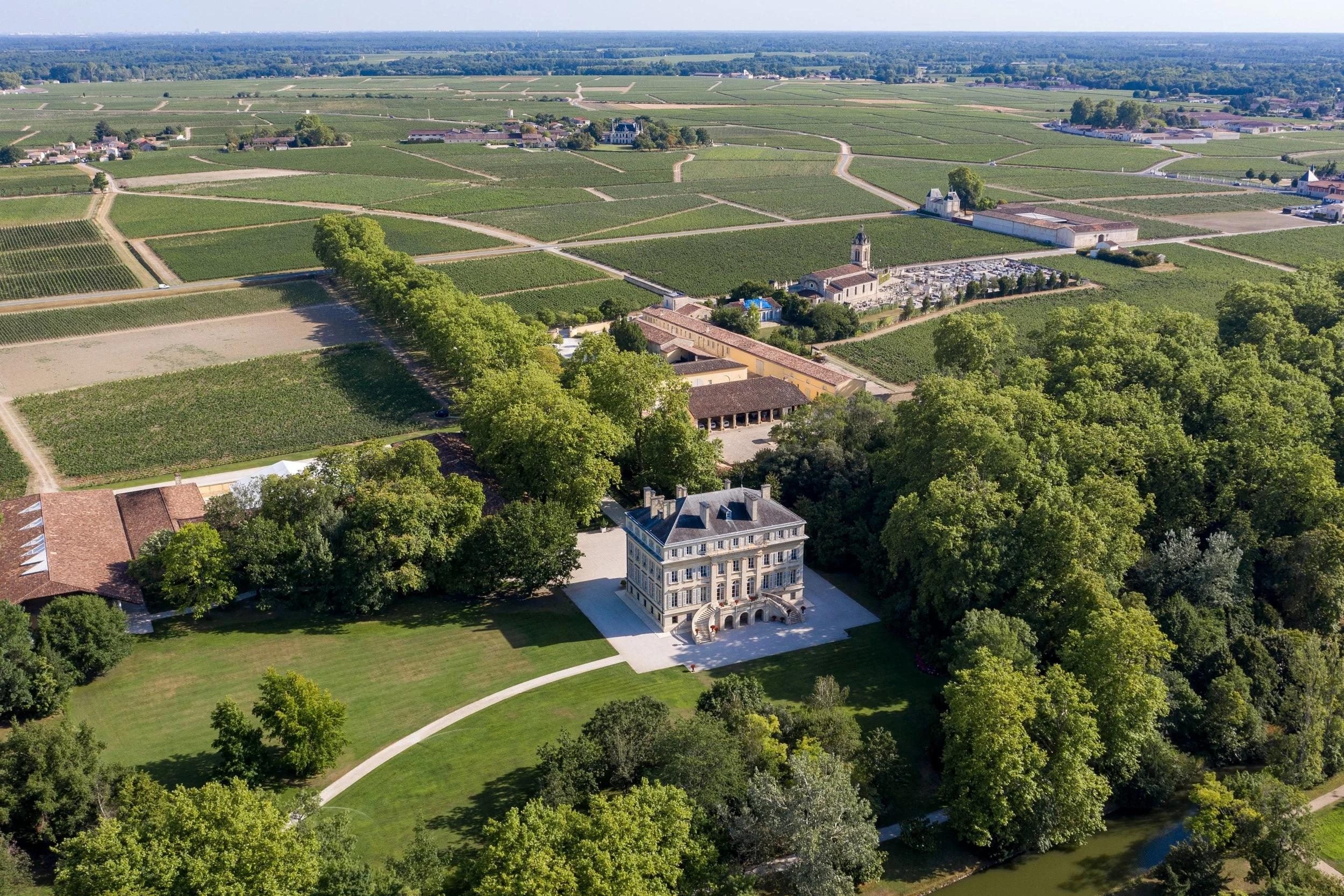
For wine enthusiasts building long-term cellars, En Primeur remains one of the few opportunities to secure pristine provenance directly from the château pipeline. Wines purchased during futures campaigns often arrive years later in original wood cases, untouched since bottling, offering collectors confidence in storage history and authenticity. In an increasingly provenance-conscious fine wine market, that direct chain from estate to cellar continues to hold significant importance, particularly for collectible wines intended for aging over decades.
Beyond the blue-chip names, savvy buyers may find the greatest excitement in Bordeaux’s second wines and overperforming classified growths. Estates such as Château Branaire-Ducru, Château Cantemerle, Château Grand-Puy-Lacoste, and many others have consistently demonstrated how thoughtful vineyard management and modern winemaking can rival far more expensive counterparts. For collectors balancing quality with value, these wines frequently become some of the smartest long-term additions to a cellar.
In Conclusion
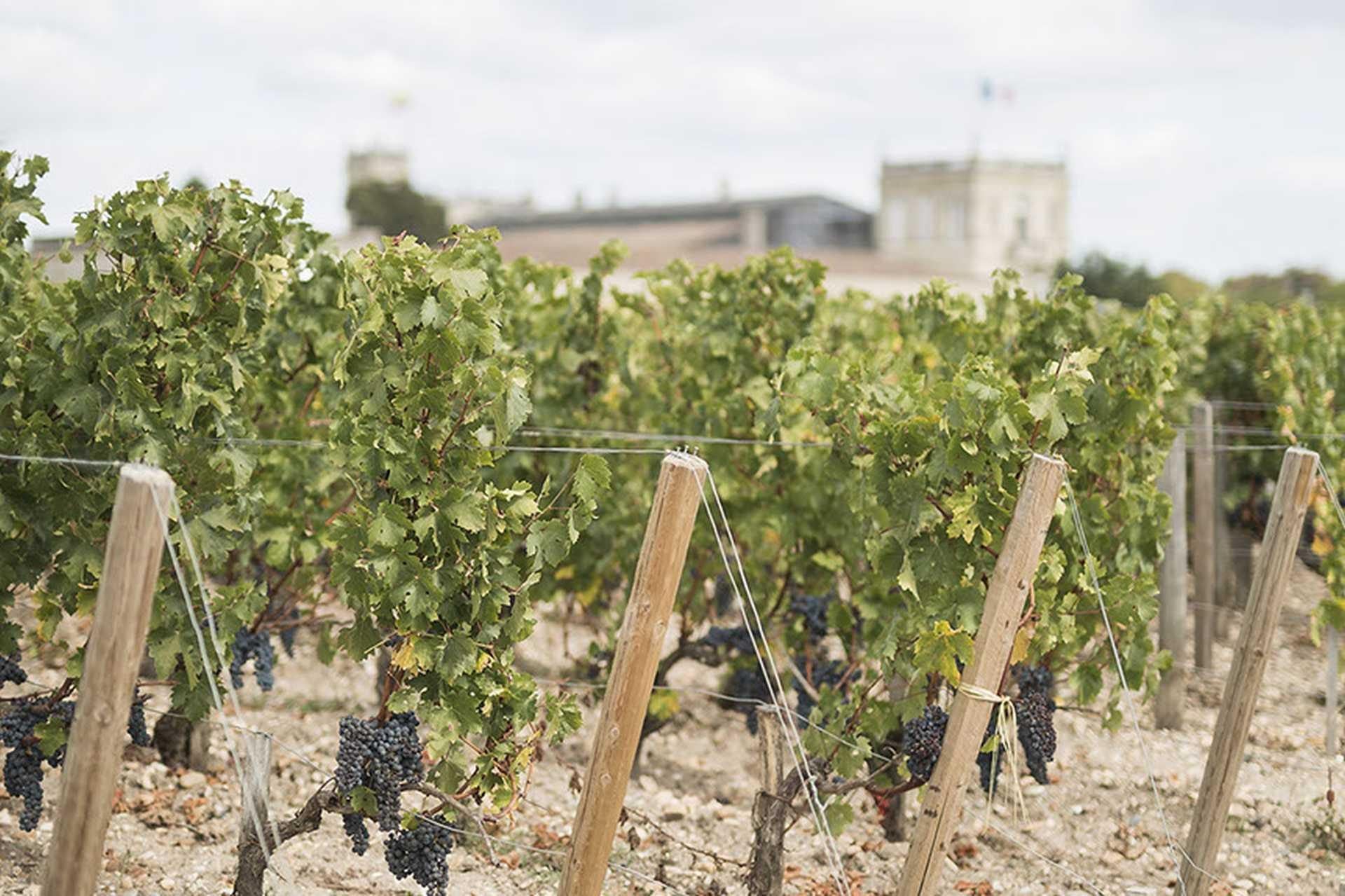
The vintage itself may ultimately become the defining story of the 2025 En Primeur campaign. After one of the earliest growing seasons in recent Bordeaux history, producers faced a year marked by intense summer heat, dry conditions, and historically low yields. Yet what initially appeared destined to become an overly concentrated or alcoholic vintage evolved into something far more nuanced and compelling. Crucial late-August rainfall, combined with cooler nighttime temperatures during harvest, helped preserve freshness, aromatic precision, and balance throughout much of the region. Early tastings suggest wines with ripe yet refined tannins, vibrant acidity, moderate alcohol levels, and impressive purity of fruit, more classical in profile than many expected from such a warm year. In many ways, the best 2025s appear to combine the structure and concentration of warmer modern vintages with the elegance and restraint traditionally associated with Bordeaux’s greatest long-lived wines. While production volumes are expected to be among the smallest seen in decades, the top estates across both the Left and Right Banks are already generating significant excitement for wines that may reward both patient collectors and long-term cellar investors alike.
Some Names to Strongly Consider for this Vintage
Chateau Margaux, Calon Segur, Haut-Bailly, Smith-Haut Lafitte, Leoville Barton, Rauzan Segla, Leovilla Las Cases, Montrose.